

¿Crees que estás libre de responsabilidad porque no le debes dinero al IRS? Piénsalo de nuevo. Muchos contribuyentes asumen que si su obligación tributaria es cero, o si les corresponde un reembolso, no presentar la declaración a tiempo no tiene consecuencias. Desafortunadamente, esta idea errónea tan común puede costarte dinero, retrasar los reembolsos y generar serios problemas en el futuro.
En Guardian Tax Law, ayudamos regularmente a nuestros clientes a resolver problemas que comenzaron con la simple decisión de no presentar su declaración de impuestos. Analicemos en detalle qué sucede cuando no presenta su declaración, incluso si no debe nada.
Tabla de Contenidos
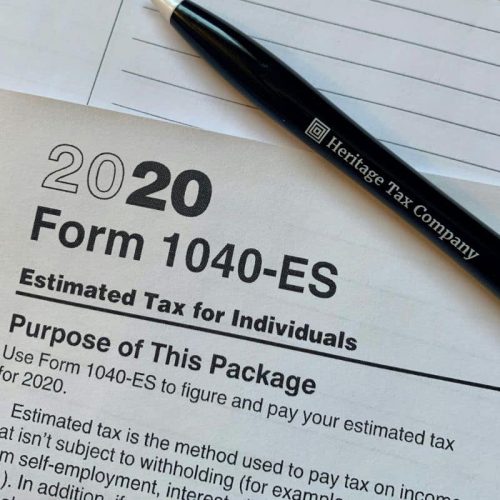
El requisito de presentación legal no tiene que ver con lo que usted debe.
El IRS exige que presentes tu declaración de impuestos en función de tus ingresos brutos, tu estado civil y tu edad, no de tu obligación tributaria final. Puede que tengas derecho a suficientes créditos y deducciones para saldar tu deuda, pero eso no te exime de la obligación de presentar la declaración.
Para el año fiscal 2024, las personas solteras menores de 65 años deben presentar una declaración si sus ingresos brutos superan los 14.600 dólares. Los umbrales varían para otros estados civiles:
Estado civil para efectos fiscales | Edad | umbral de ingresos |
Soltero | Menores de 65 años | $14,600 |
Casados que presentan declaración conjunta | Ambos menores de 65 años. | $29,200 |
Jefe de familia | Menores de 65 años | $21,900 |
Trabajadores por cuenta propia | Cualquier edad | $400 |
Si sus ingresos superan estos límites, el IRS espera una declaración de impuestos, independientemente de si debe impuestos después de los créditos y las deducciones.
Perderás tu derecho a reembolso después de tres años.
Esta es la consecuencia financiera más inmediata: si le corresponde un reembolso pero no presenta su declaración, solo tiene tres años para reclamarlo. Transcurrido ese plazo, el dinero pasa a ser propiedad del Tesoro de los Estados Unidos.
Según datos del IRS, miles de millones de dólares en reembolsos no reclamados caducan cada año. Los contribuyentes que reunían los requisitos para el Crédito Tributario por Ingreso del Trabajo, los créditos educativos o a quienes se les retuvo demasiado de sus cheques de pago, simplemente pierden ese dinero al no presentar su declaración.
Considere este escenario: Trabajó a tiempo parcial en 2021, se le retuvieron 2000 T ($) de su salario y su obligación tributaria real fue cero. Si no presenta su declaración antes del 15 de abril de 2025, ese reembolso de 2000 T ($) se perderá definitivamente. Sin prórrogas. Sin excepciones.
El IRS podría presentar una declaración de impuestos por usted, y no le gustará.
Cuando el IRS recibe formularios W-2 y 1099 que muestran ingresos pero no una declaración de impuestos correspondiente, no se olvidan simplemente de usted. En cambio, pueden crear una Declaración sustitutiva (SFR, por sus siglas en inglés): básicamente, el IRS presenta la declaración en su nombre.
¿El problema? El IRS presenta esta declaración sustitutiva utilizando los supuestos menos favorables:
- Estado civil de soltero (incluso si está casado)
- No se declararon dependientes.
- Solo deducción estándar
- No se aplicaron créditos
Esto suele resultar en una factura de impuestos que en realidad no debería si presentara su declaración correctamente. Peor aún, el IRS iniciará acciones de cobro basadas en esta evaluación inflada, que incluyen:
- Avisos y cartas de requerimiento
- Embargos de salario
- Impuestos bancarios
- Gravámenes fiscales federales
Luego, deberá presentar su declaración de impuestos y seguir el proceso de reclamación ante el IRS para corregir los datos, una tarea larga y estresante.
Los trabajadores autónomos se enfrentan a sanciones adicionales.
Si sus ingresos como trabajador independiente superan los 1400 dólares, está obligado a presentar su declaración de impuestos independientemente de sus ingresos totales. Esta norma se debe a que el impuesto sobre el trabajo por cuenta propia (contribuciones al Seguro Social y Medicare) se aplica por separado del impuesto sobre la renta.
Aunque su obligación tributaria sea cero, es posible que aún deba un impuesto de trabajo por cuenta propia del 15,31% sobre sus ingresos netos. No presentar la declaración implica:
- Acumulación de sanciones por no presentar la documentación
- Devengo de intereses sobre el impuesto de trabajo por cuenta propia impagado
- Perder la oportunidad de generar créditos de la Seguridad Social.
Esos créditos del Seguro Social son de suma importancia para las prestaciones futuras. Si no presenta declaraciones de impuestos que documenten sus ingresos como trabajador autónomo, podría recibir prestaciones de jubilación o por discapacidad reducidas décadas después.
¿Caduca la deuda tributaria? No sin presentar la declaración de impuestos.
Cuando usted presenta una declaración de impuestos, el IRS generalmente tiene tres años para auditar esa declaración. Este plazo de prescripción lo protege de un escrutinio indefinido. Muchos contribuyentes se preguntan:, ¿Caduca la deuda tributaria?La respuesta depende completamente de si usted ha presentado la solicitud.
Sin embargo, si nunca presenta su declaración de impuestos, no comienza a correr el plazo de prescripción. El IRS puede cobrarle impuestos, multas e intereses por un año fiscal no declarado en cualquier momento futuro, ya sea cinco, diez o incluso veinte años después.
Esto crea una vulnerabilidad permanente. Cambios en la vida que de otro modo pasarían desapercibidos, como vender una propiedad, recibir una herencia o iniciar un negocio, pueden llamar la atención del IRS sobre años que creías olvidados.
Impacto en futuras transacciones financieras
No presentar la declaración de impuestos no solo afecta su relación con el IRS, sino que también puede complicar numerosas actividades financieras:
- Solicitudes de hipoteca: Los prestamistas requieren transcripciones de declaraciones de impuestos para verificar los ingresos.
- Ayuda financiera para estudiantes: Para completar la FAFSA se requiere información de la declaración de impuestos.
- Préstamos para pequeñas empresas: Los préstamos de la SBA requieren la presentación de la declaración de impuestos personal.
- Solicitudes de inmigración: USCIS revisa el historial de cumplimiento tributario
Hemos visto cómo algunos clientes perdían la compra de viviendas, oportunidades de becas y financiación para sus negocios porque no pudieron presentar las declaraciones de impuestos de años anteriores.
¿Se te pasó la fecha límite para presentar la declaración de impuestos? ¿Qué debes hacer ahora?
Si tienes declaraciones de impuestos no presentadas—tanto si debes dinero como si no— actúa con prontitud. No llegó a tiempo para presentar la declaración de impuestos.? Esto es lo que debes hacer:
- Reúna sus documentos: Solicite al IRS las transcripciones de salarios e ingresos de cualquier año en el que no haya presentado una declaración.
- Prepare y presente sus declaracionesIncluso las devoluciones tardías son mejores que ninguna devolución.
- Solicite cualquier reembolso dentro del plazo de tres años.: Priorice los años recientes en los que aún haya reembolsos disponibles.
- Responda a cualquier notificación del IRSSi ha recibido correspondencia sobre años no declarados, responda con prontitud.
- Consulta a un profesional de impuestos.Las situaciones complejas que involucran varios años o acciones de cobro del IRS se benefician de la orientación de expertos.
En resumen
¿Qué sucede si no presentas tu declaración de impuestos pero no debes nada? Pierdes reembolsos, te expones a declaraciones sustitutivas del IRS, pierdes créditos del Seguro Social y generas complicaciones financieras duraderas. La suposición de que "sin deuda no hay problema" simplemente no se sostiene.
Presentar su declaración protege su reembolso, activa el plazo de prescripción y mantiene sus registros financieros en orden. En Guardian Tax Law, ayudamos a nuestros clientes a resolver situaciones tributarias pendientes a diario, desde simples declaraciones de impuestos hasta casos complejos que involucran cobros del IRS.
Si tiene declaraciones de impuestos pendientes o ha recibido notificaciones del IRS sobre años fiscales no declarados, comuníquese con nuestro equipo para una consulta. Tomar medidas proactivas hoy evita problemas mucho mayores mañana.
Agenda hoy mismo una consulta gratuita con un Profesional de Impuestos Guardian para obtener respuestas claras y específicas para tu situación.